
31. Kathy's Story.
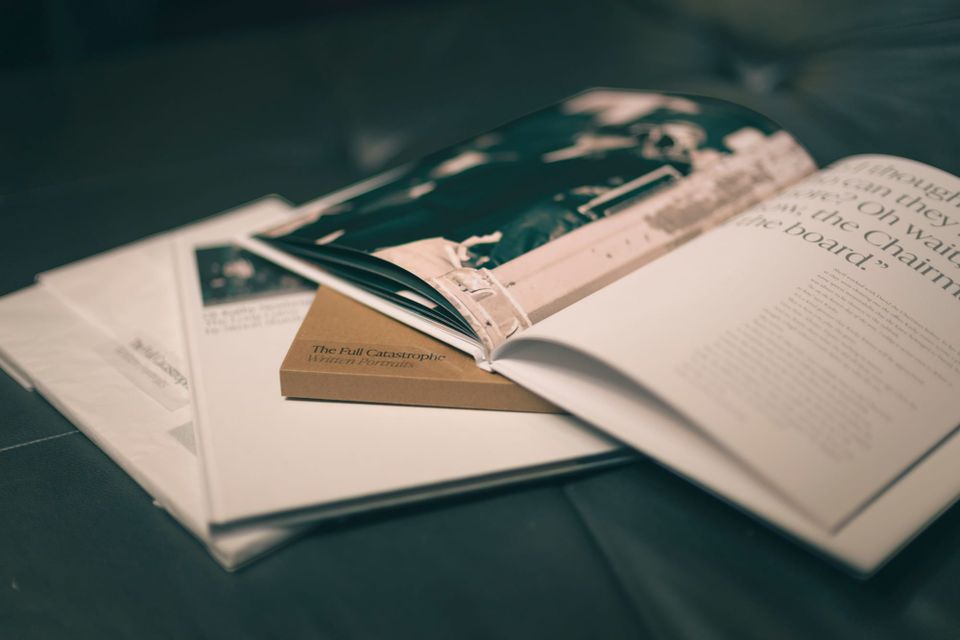
Kathy came through to me as you know.
She wanted me to write her story. I went to New York in May to do just that.
I’d had the idea to make something I was calling written portraits. It was more an art practice than a service, but it was early days and I hadn’t thought it through much more than that.
I was making it up as I went along.
Yes, I know. Believe me, I'm just as shocked as you are.
A written portrait isn't a biography or memoir. It's not a definitive or chronological record of your life. Like any other portrait it's a piece of art.
We all have unique moments that matter. The ones that define us. Changing tack. Standing back. Leaving home. Breaking up. Finding out.
A written portrait reveals how you dealt with it all.
These are the pieces of your life that I can write into a story that will give you a glimpse of how others see you. A written portrait is my take on things.
I knew a bit of Kathy's story, but I certainly didn't know it all. We met every day after work for three or four days, and as Kathy talked, I listened.
I let her share what she wanted to tell me. What makes a good story is light and shade. Kathy gave me both. I asked her to wear a pirate hat and be photographed in Times Square. Her only request was could we get a shot with Elmo?
In the end, I knew what to write about, but I didn't know who I was writing it for. Who would Kathy show it to? Who, besides her, would read it?
Kathy wanted a written portrait for herself. Given they aren't cheap, I worried that she might not get any value out of it if she didn't share it.
I misunderstood the real value in what we were making. I thought the portrait needed an audience for it to mean something. This was incorrect.
In advertising I'd been taught that when the client says 'yes', there's only one thing to do: stop talking. STFU. Often, I'd taken it as a sign that they wanted to hear more of what I had to say. Also incorrect. Kathy had already said yes.
I might've attended the lesson. Didn't say I'd learned it.
In worrying about who would see her portrait, I was trying to solve a problem that didn’t exist. In any case, this wasn't advertising. It was real life.
Kathy knew exactly what she wanted. And why.
I'd just been looking at a written portrait the wrong way. I'd been thinking traditionally; that they'd be shared around, or handed down, and yes that's true, some will be.
But there's also another more intimate, and perhaps more important reason to have a written portrait made.
When it comes to our own stories, we're not always the most reliable narrators. We're often hard markers on ourselves.